Hosting a Tribal Housing Solutions Roundtable
A step-by-step guide for NAIHC members to convene Tribal leaders, funders, and government partners around Tribal housing challenges and solutions.
Start Planning Just want the guide? Jump to the 10 sectionsBring the right mix of people together. Turn relationships into opportunity & action.
Start with the planner: find the partners that serve your state, set your date, and your invitations, agenda, and checklist fill themselves in. The full guide follows.
Planner
Find Your Partners
See the Federal Home Loan Bank, Federal Reserve Bank, and state housing finance agency that serve your state, plus your HUD Office of Native American Programs (ONAP) office.
Set the Details
Round Out the Invitation
Optional. Anything you skip stays in red brackets for you to finish later.
Ten Sections, Start to Finish
Why Host a Tribal Housing Roundtable?
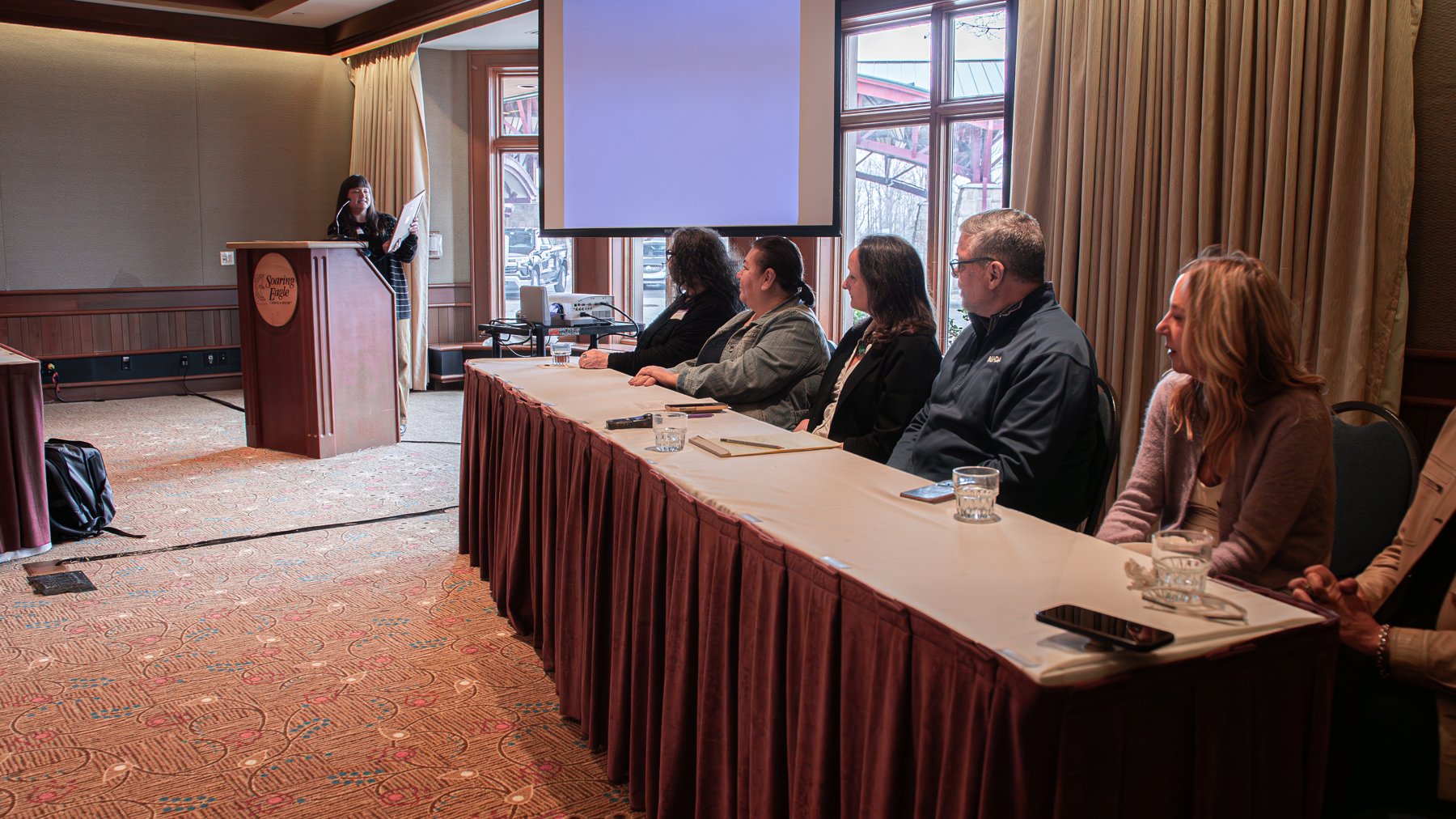
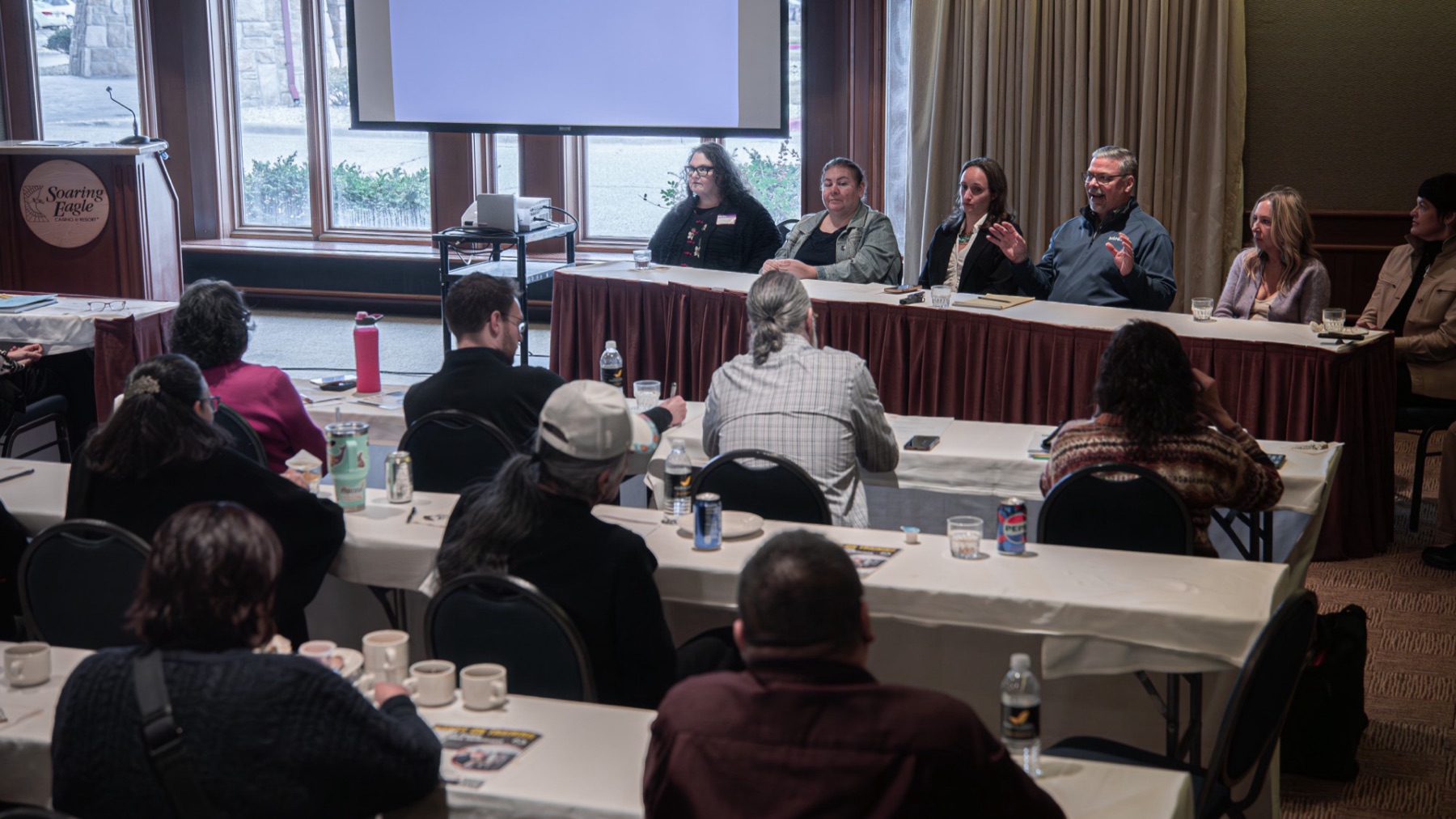
A Tribal Housing Solutions Roundtable is ideally a focused, half-day convening that brings Tribal housing leaders together with potential funders such as financing institutions and private & public partners who can help push projects forward. Unlike a large conference, a roundtable can be more interactive and action-oriented — built around real relationships, candid discussion, and identifying concrete next steps.
NAIHC has co-hosted these convenings successfully across the country, including with the Federal Reserve Bank of San Francisco & Federal Home Loan Bank of Des Moines; the Federal Home Loan Bank of Indianapolis & Michigan State Housing Development Authority; the Arizona Department of Housing; the New Mexico Mortgage Finance Authority (Housing New Mexico) & Federal Home Loan Bank of Dallas; and the Federal Home Loan Bank of Boston & Federal Reserve Bank of Boston. This toolkit distills what makes those events work so any NAIHC member can explore hosting their own.
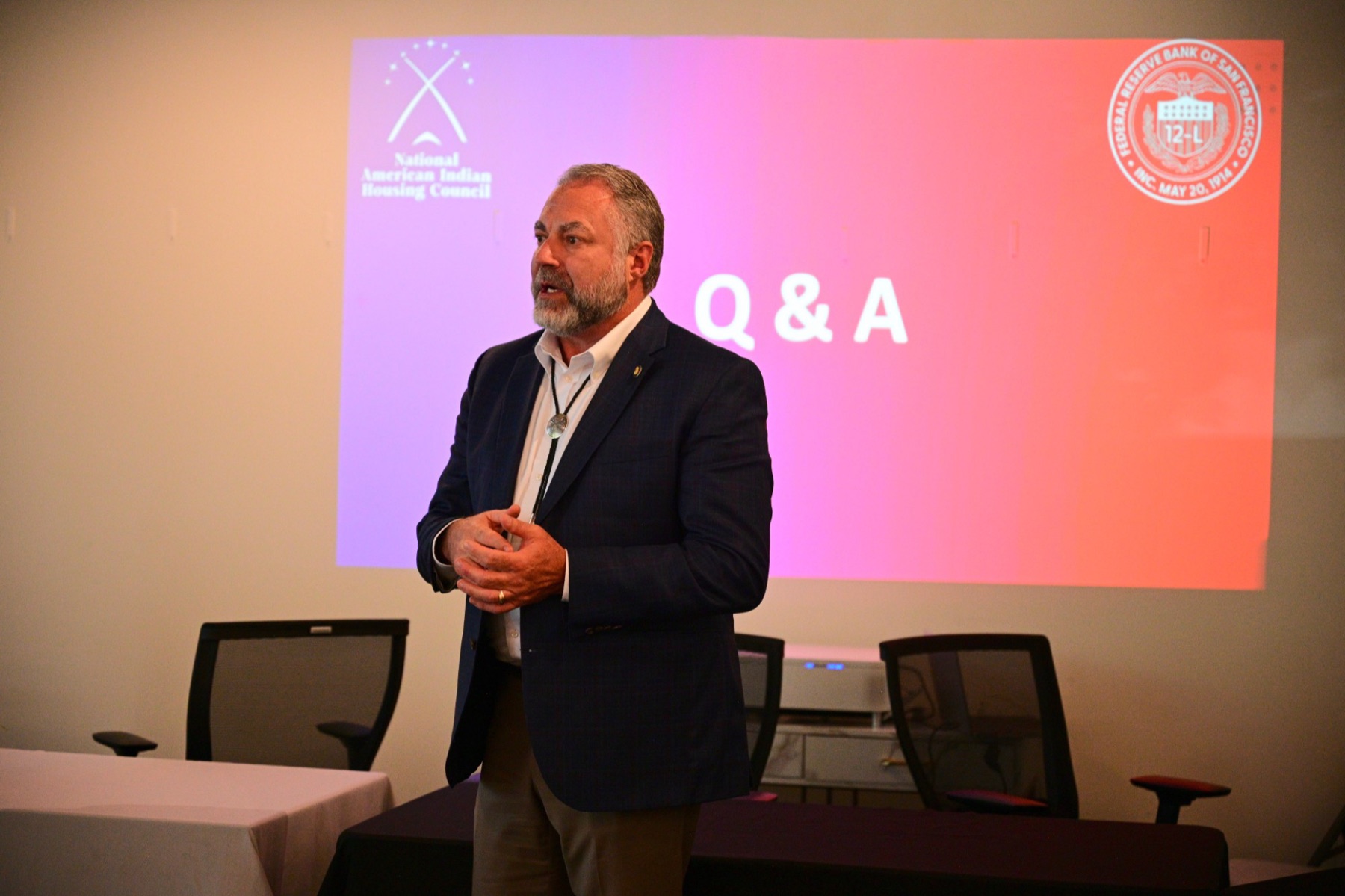
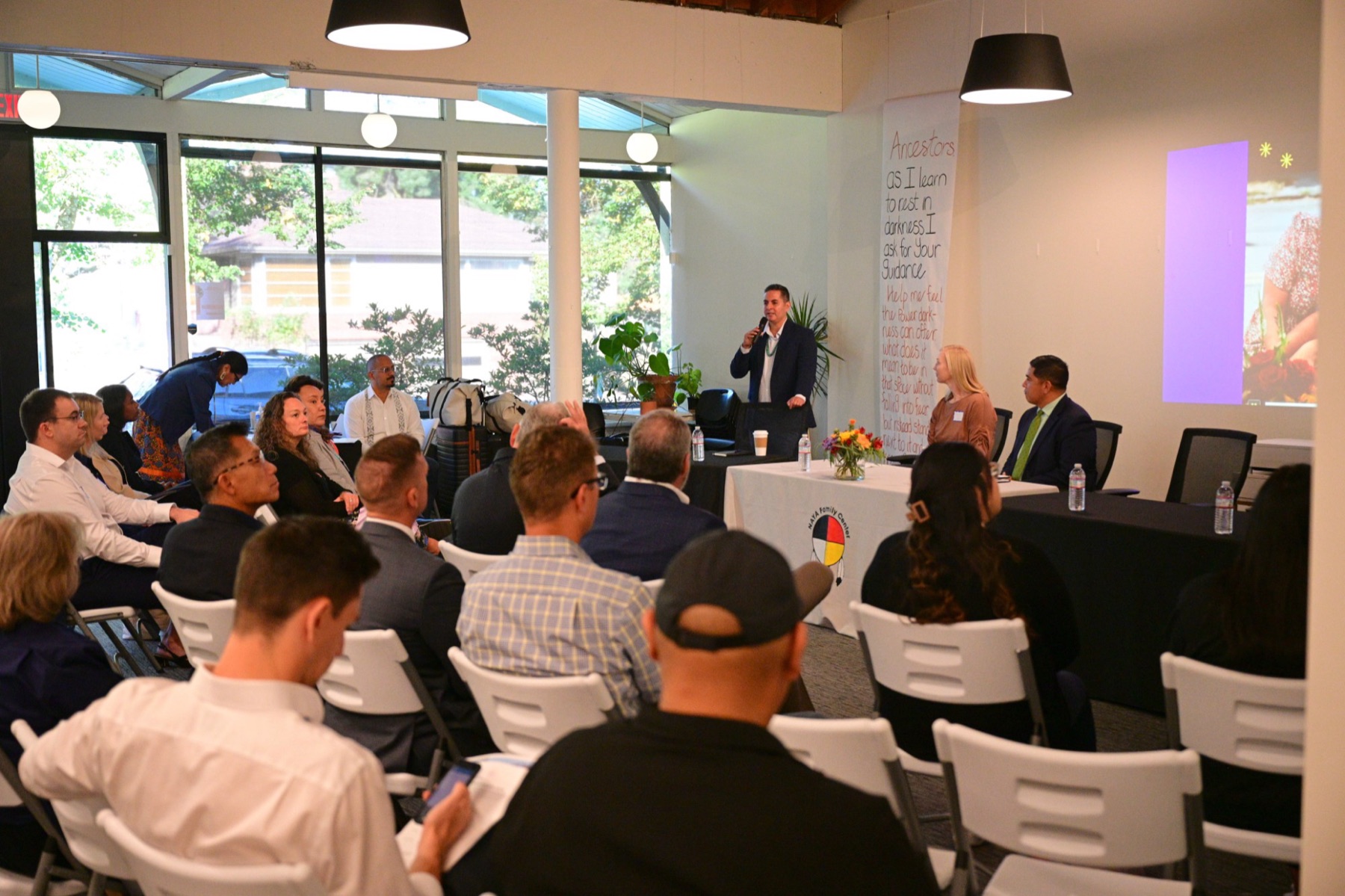
Recent roundtables driving real impact across the country.
Each one paired NAIHC and a Tribal or Native-led host with a financing or state partner — the same model this toolkit walks you through.
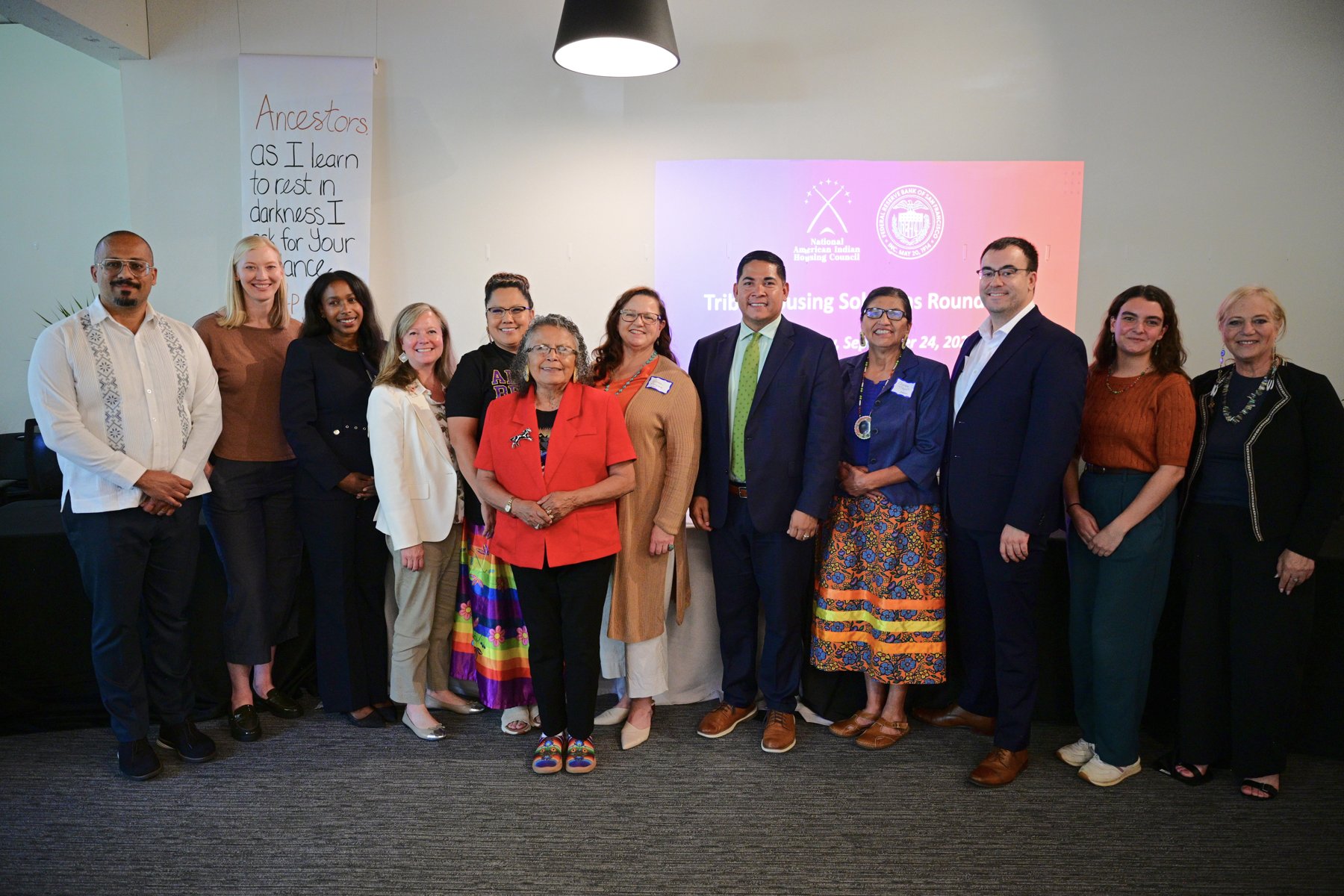
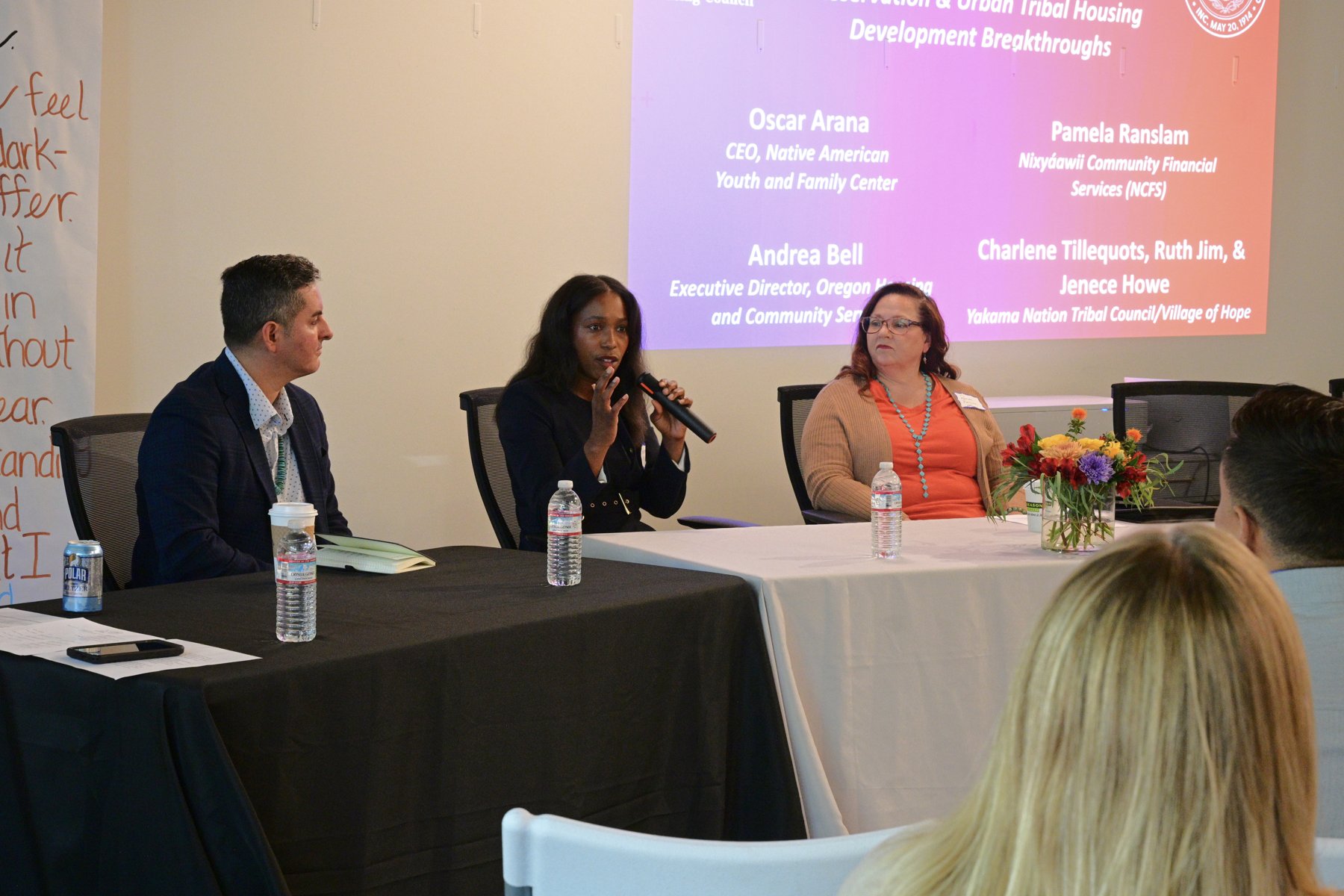
Oregon Housing and Community Services leadership highlighted the state’s new Tribal Housing Grant Fund, while HUD Region 10’s Regional Administrator provided key agency updates and made themselves available for questions directly from Tribal leaders & housing providers. The U.S. Department of the Treasury’s Office of Tribal and Native Affairs also joined the discussion to highlight how Tribes can leverage the State Small Business Credit Initiative (SSBCI) as a potential source of gap financing for housing and community development.
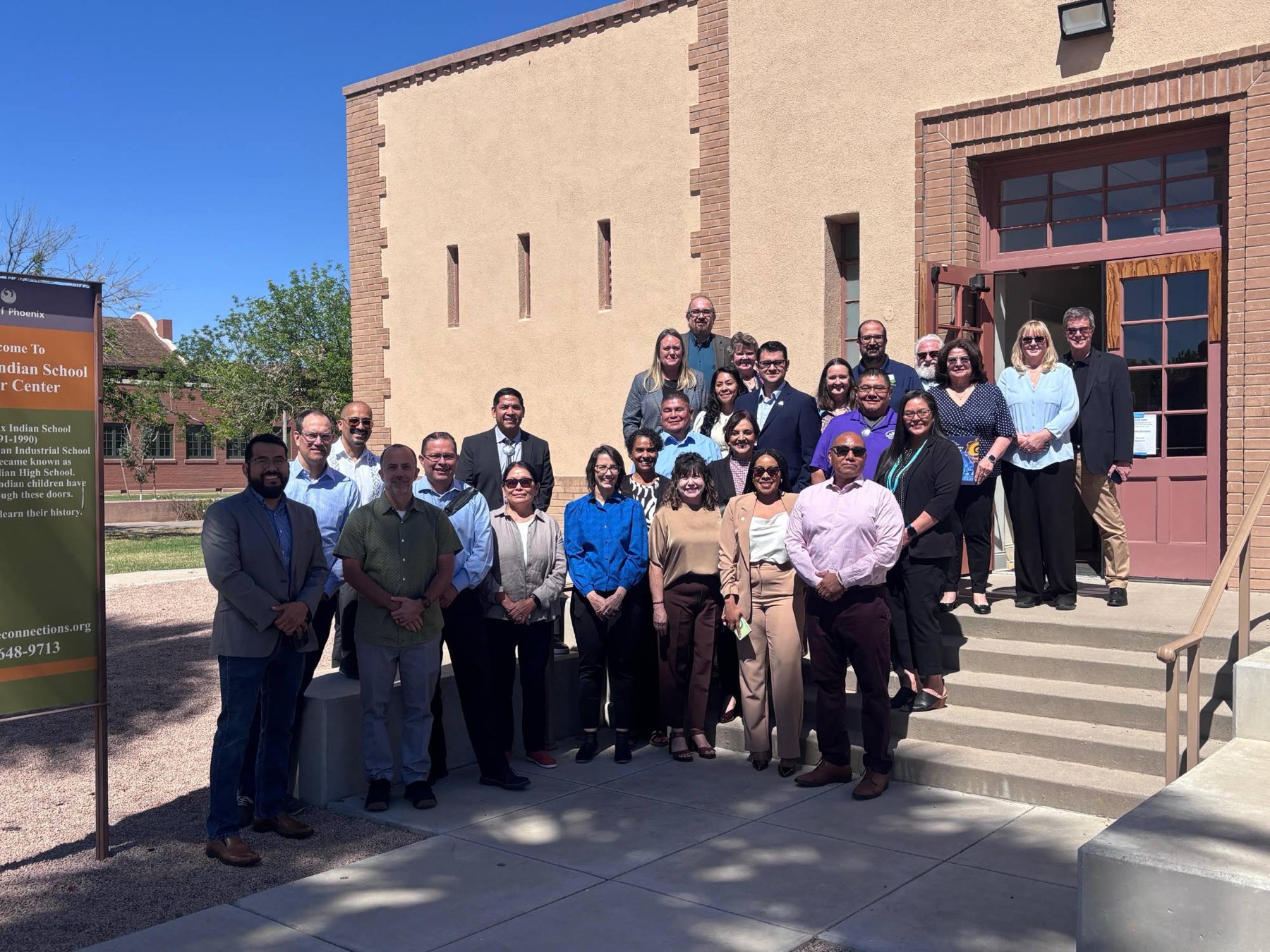
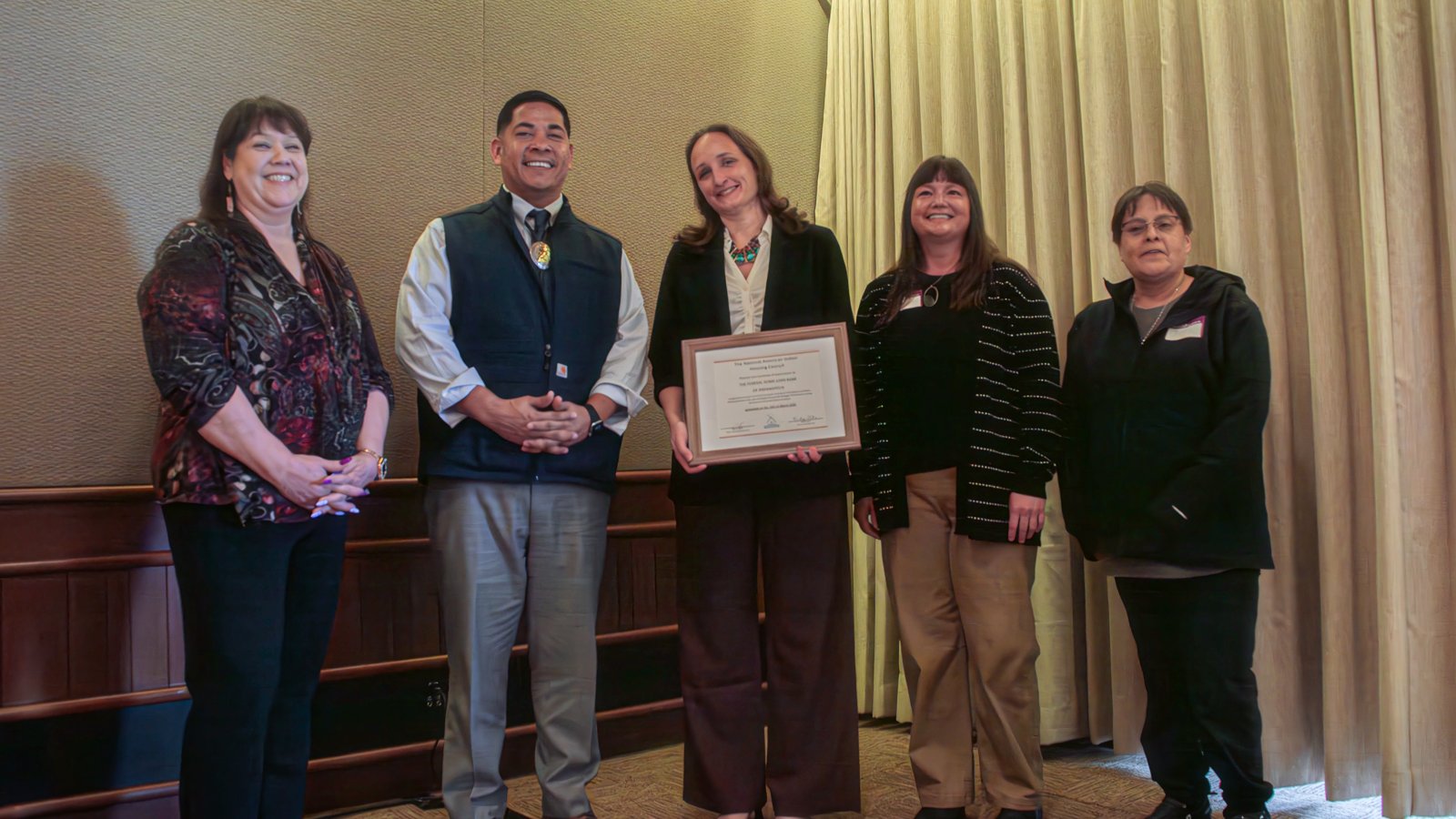
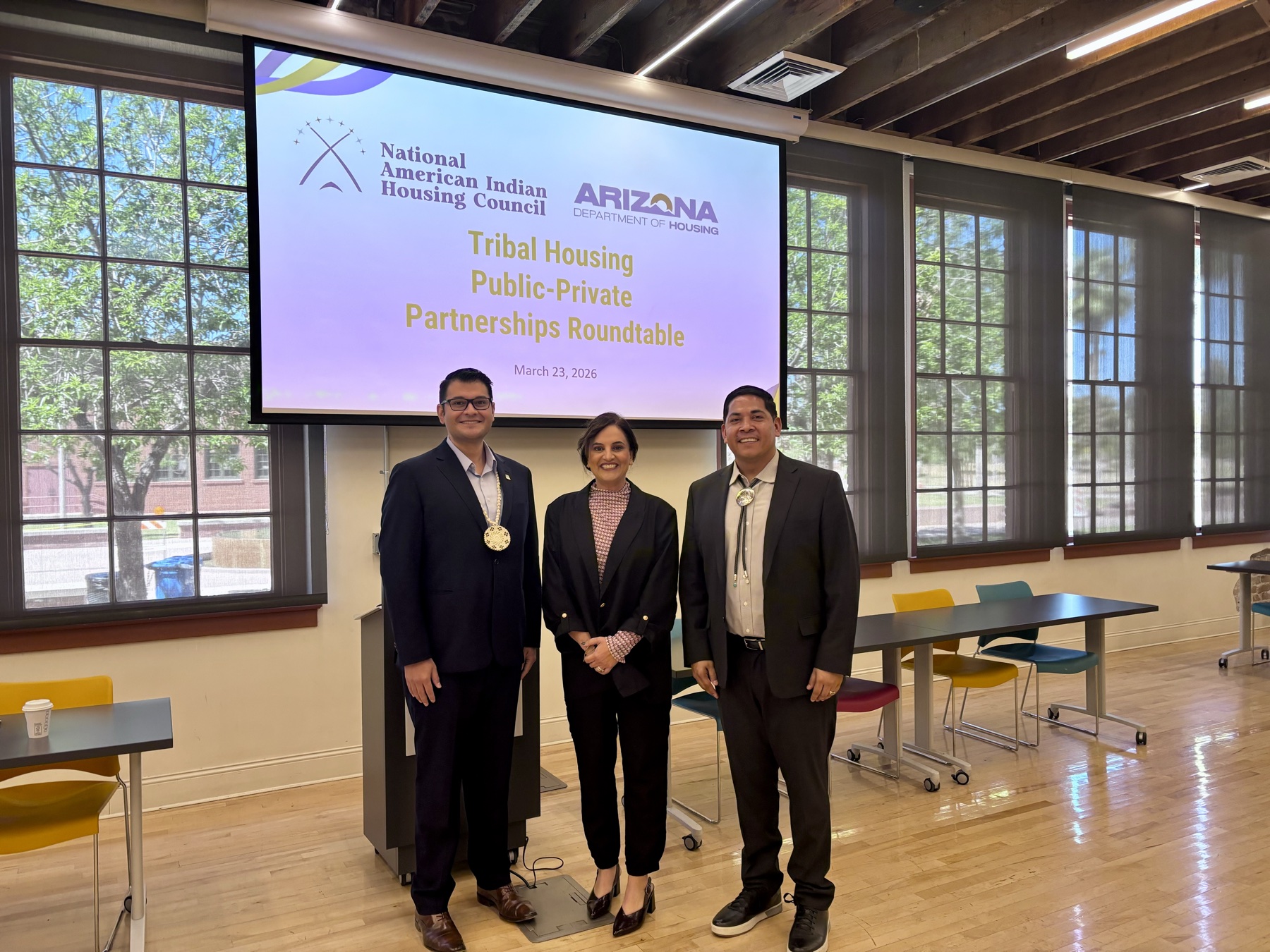
Native American Connections — one of the nation’s premier urban Native housing organizations — graciously hosted a roundtable at the historic Phoenix Indian School, bringing together the Director of the Arizona Department of Housing and the Governor’s Director of Tribal Affairs with a diverse set of partners. A meaningful setting for Tribal and state housing leaders to strengthen relationships and advance housing solutions together.
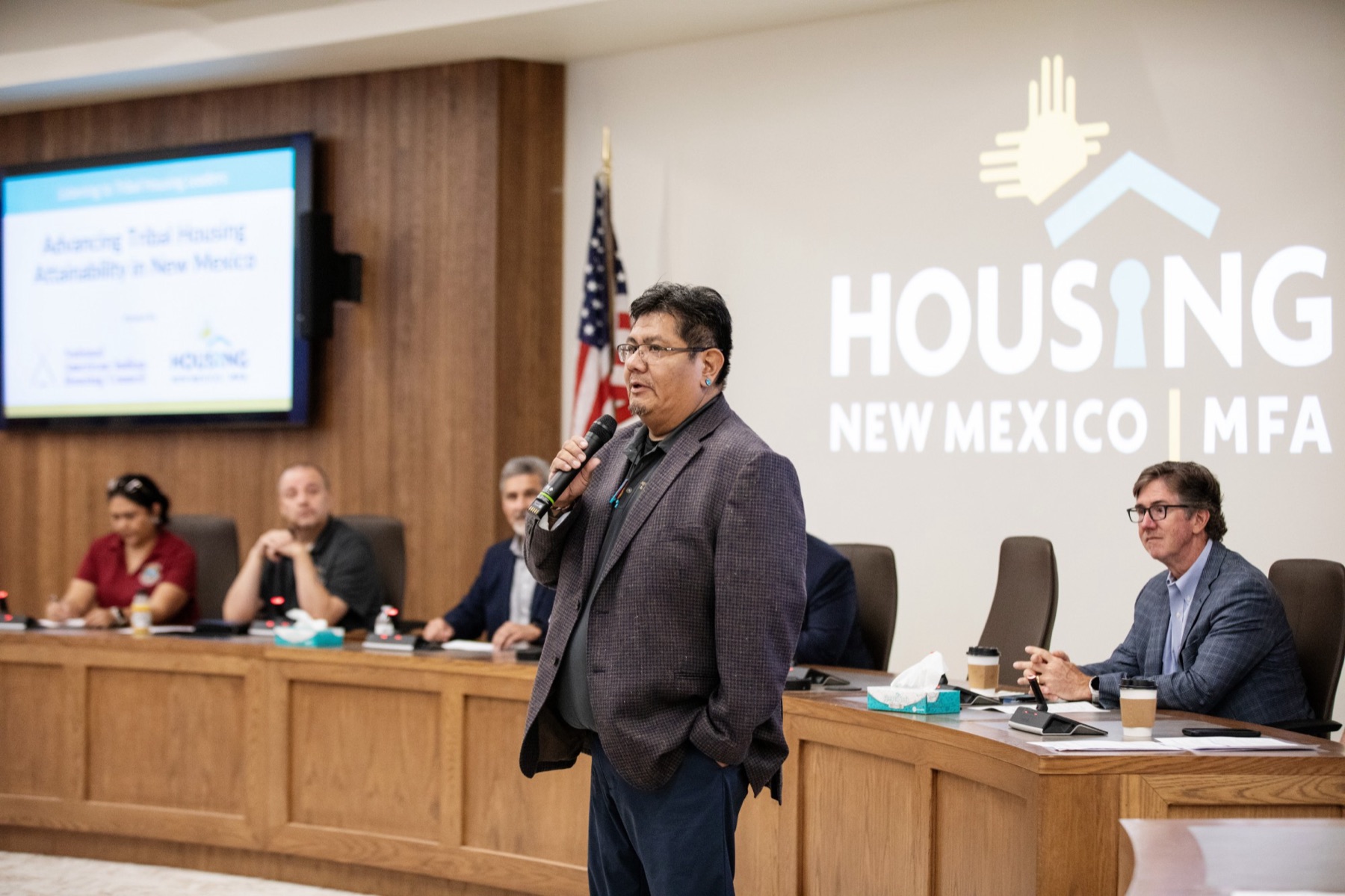
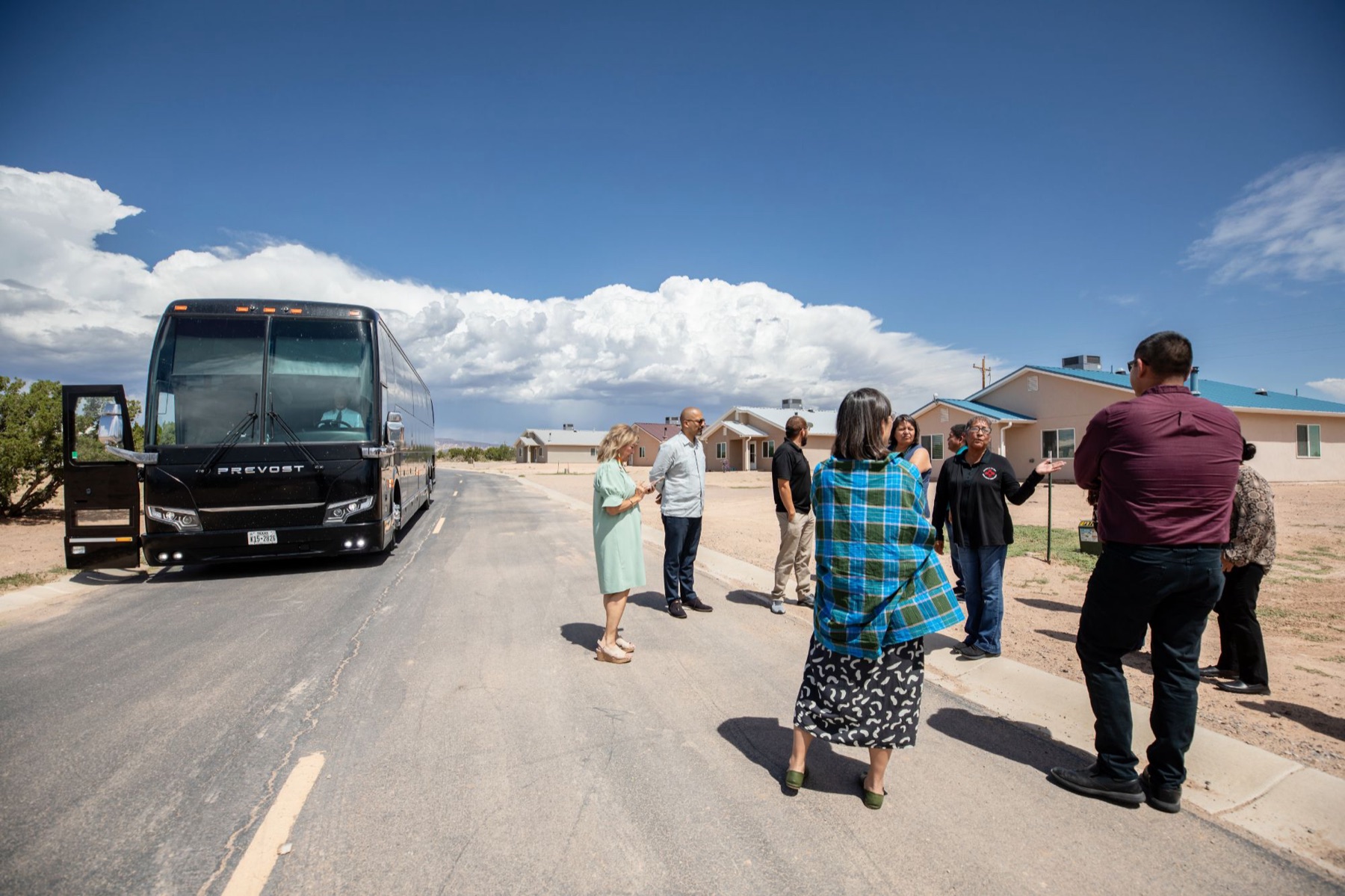
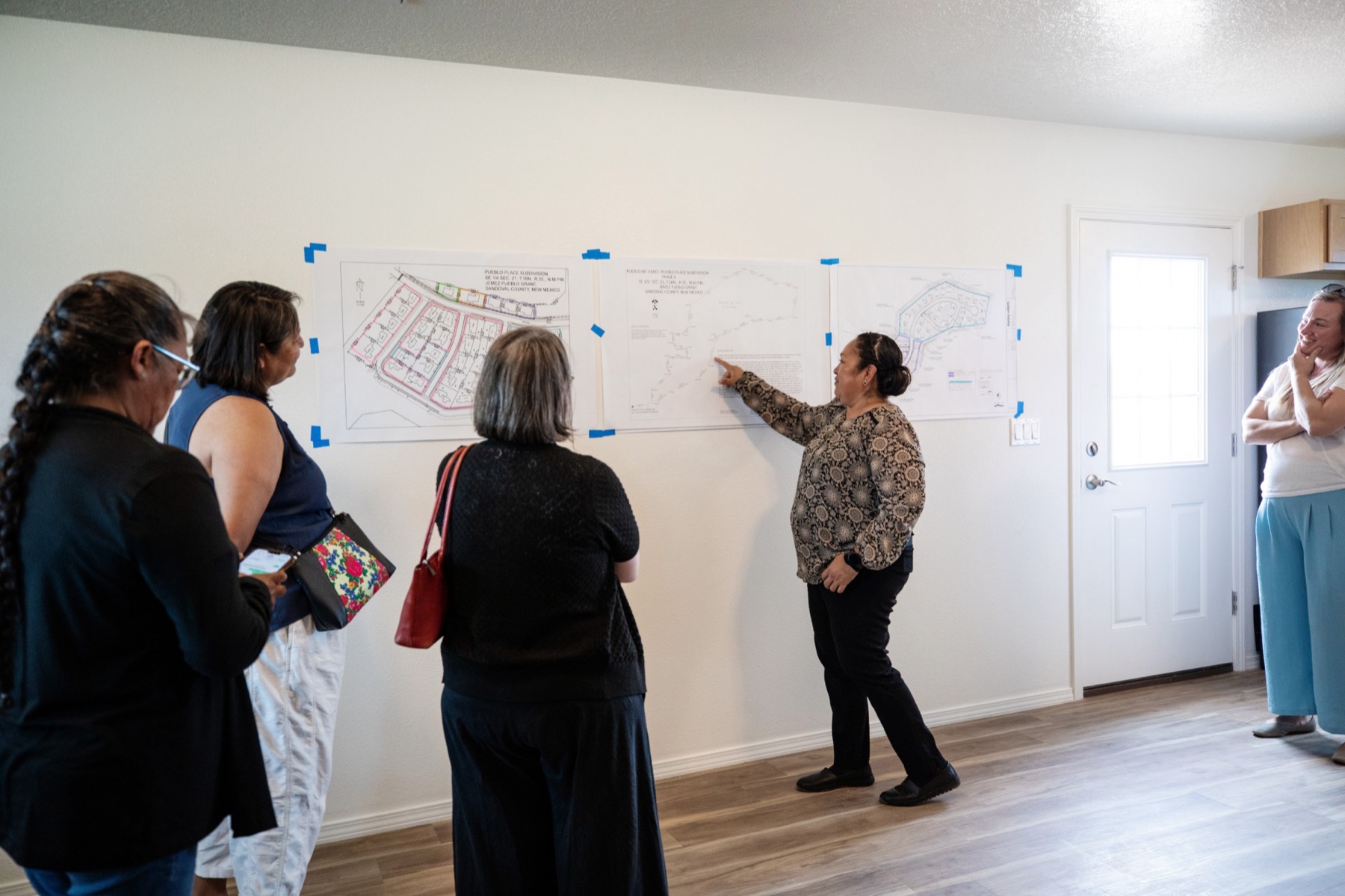
The Southwest Tribal Housing Alliance served as a key contributor, bringing partners together for a morning of discussion before heading to site visits highlighting new housing developments and future planning underway at both Zia Pueblo and Jemez Pueblo.
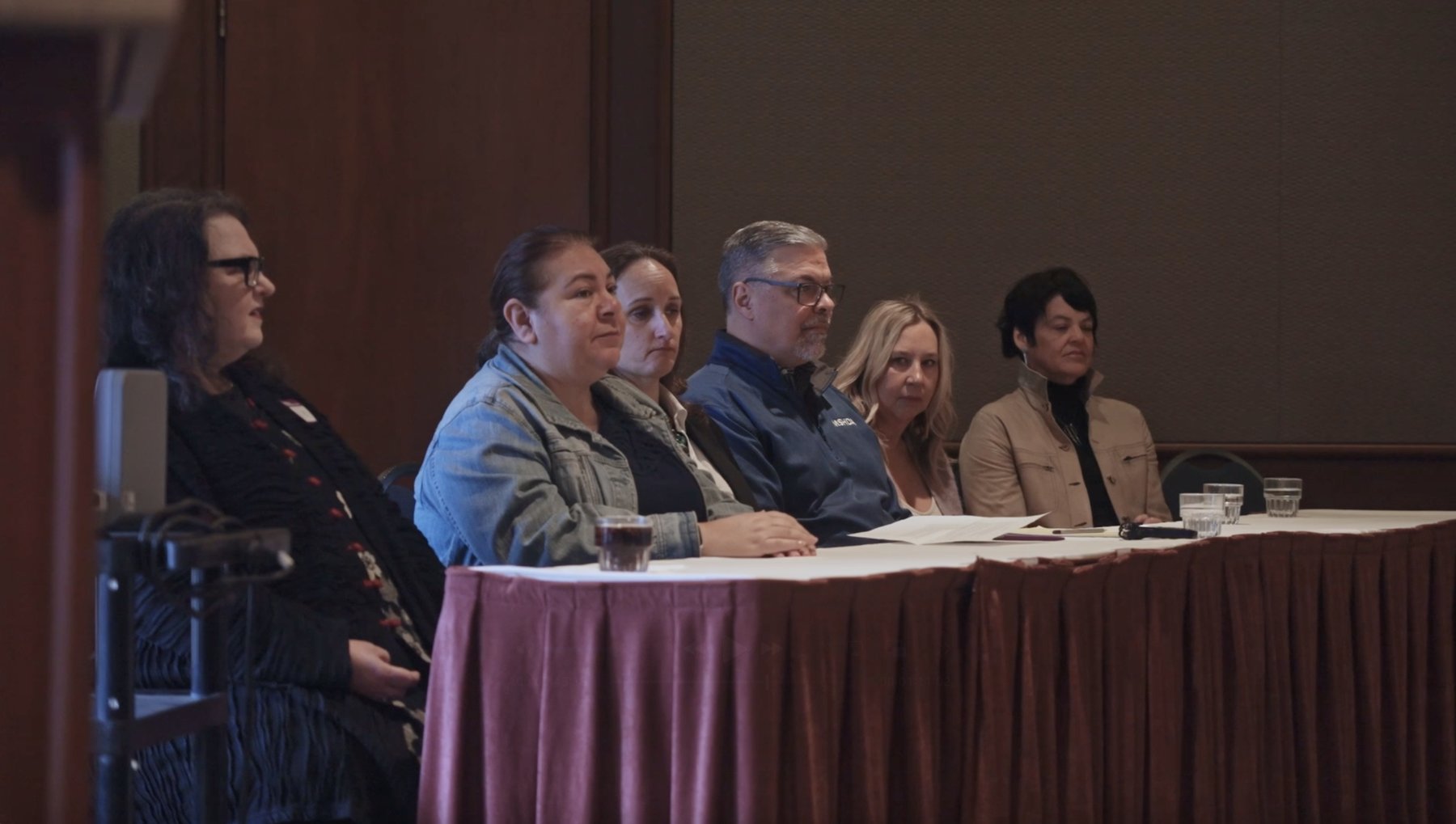
Co-hosted with the Great Lakes Indian Housing Association, featuring HUD and the Michigan State Housing Development Authority (MSHDA) — and special recognition of the Federal Home Loan Bank of Indianapolis for leading by example through its steadfast commitment to and support of Tribal housing.
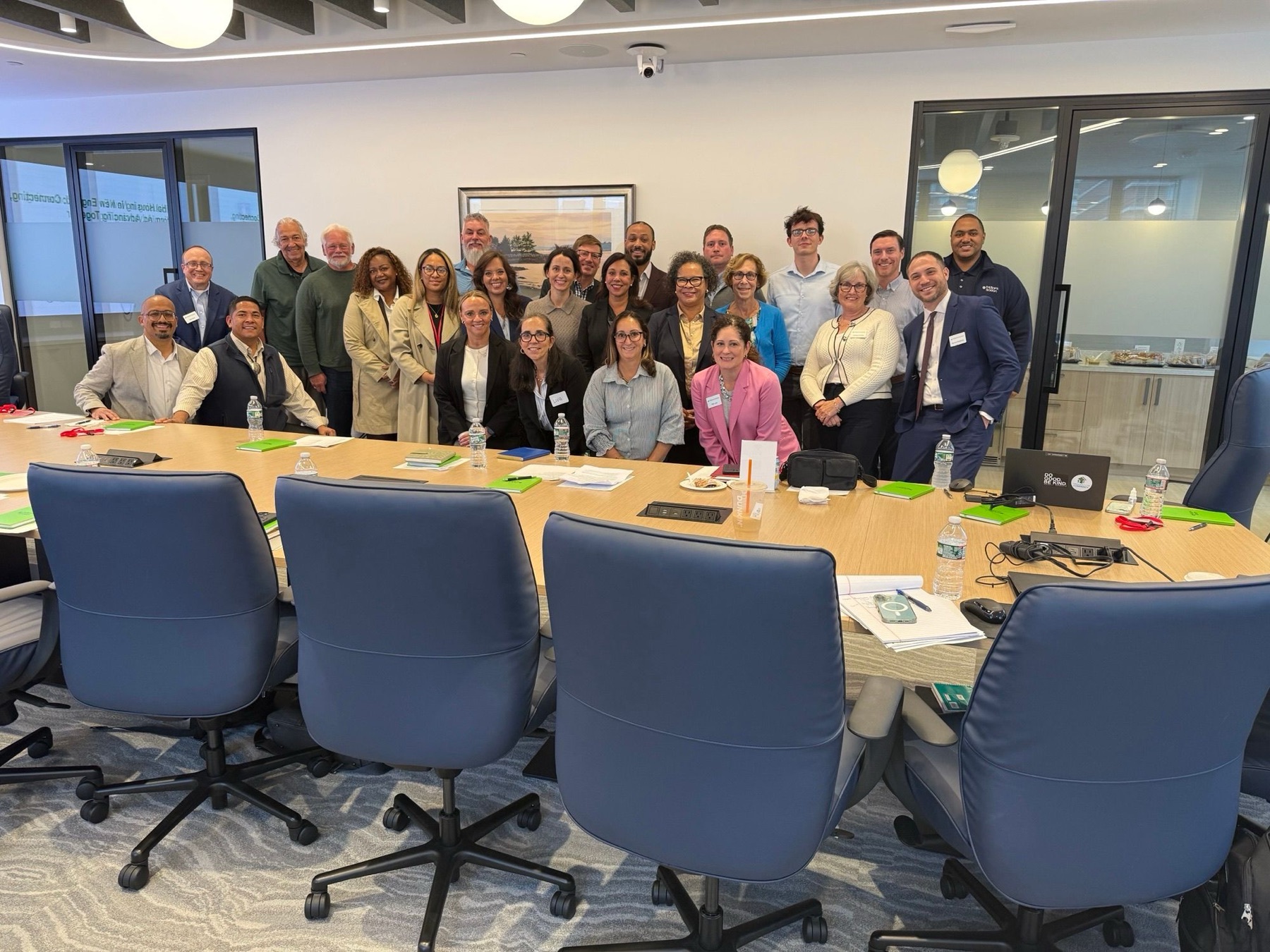
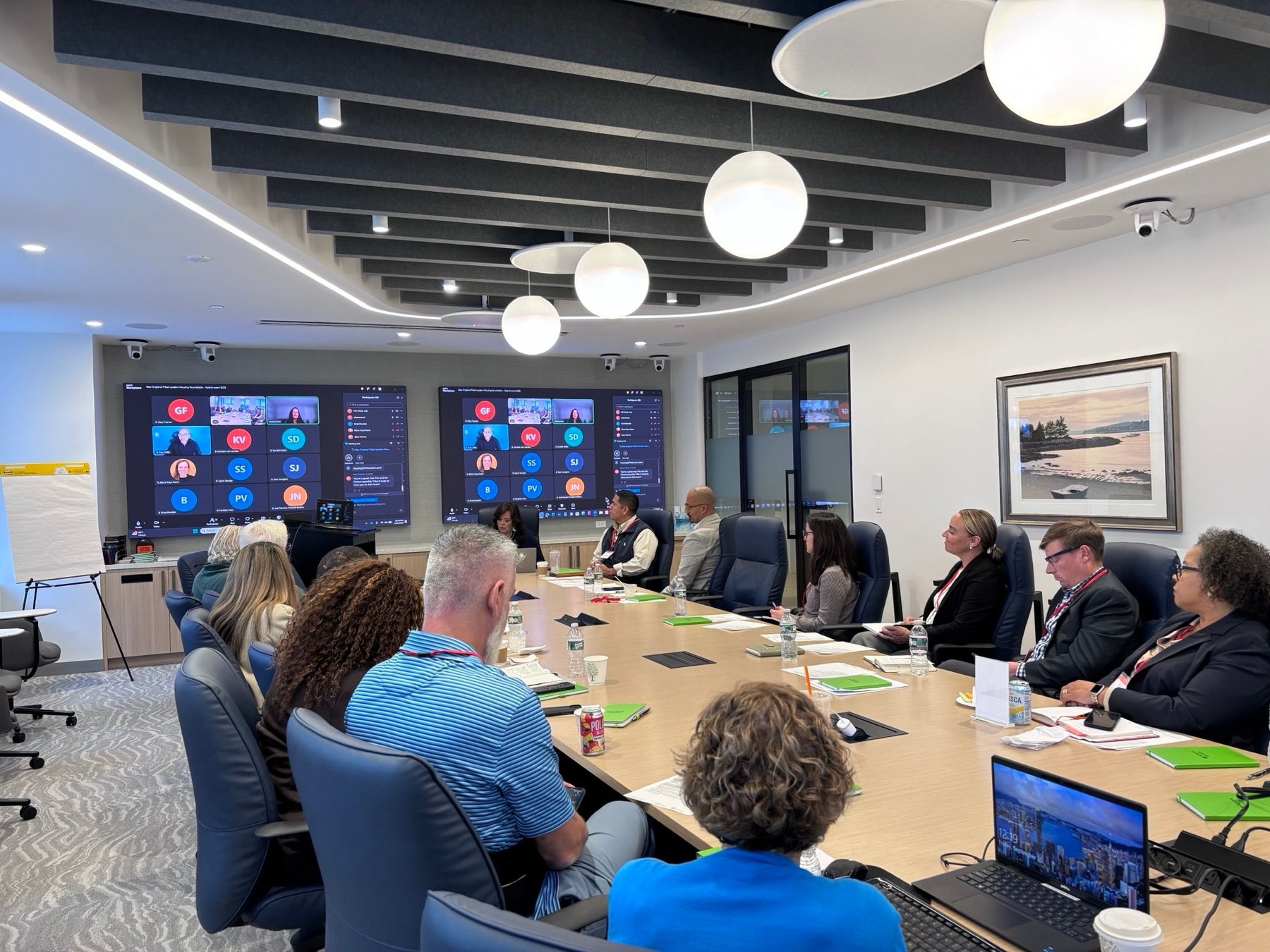
A hybrid session bringing Tribal housing leaders from across New England together with the Federal Home Loan Bank of Boston, Federal Reserve Bank of Boston, financial institutions, and HUD’s Section 184 Office of Loan Guarantee — all at the table on the eve of a Nor’easter to strengthen connections and expand housing and homeownership opportunities across the region.
What a roundtable can accomplish
- Elevate Tribal housing priorities and opportunities — put Native American Housing Assistance and Self-Determination Act (NAHASDA) Modernization, the 21st Century ROAD to Housing Act, Tribal Trust Land Homeownership, Section 184 Expansion & the Skilled Workers Demonstration Program, the Department of Energy’s Home Electrification and Appliance Rebates (HEAR) Program, and local Tribal housing needs directly in front of influential leaders and potential partners.
- Surface underutilized resources — connect Tribes and Tribally Designated Housing Entities (TDHEs) with Federal Home Loan Bank (FHLBank) member institutions, community development organizations, state housing finance agency (HFA) resources, and philanthropic capital.
- Showcase Native-led solutions — spotlight promising projects, financing models, and partnerships already working in your region.
- Build durable relationships — create the personal connections between Tribal housing leaders and partners that outlast any single meeting.
- Generate momentum — leave with a short list of concrete follow-ups, not just a good conversation.
The Makeup of a Successful Roundtable
Every effective Tribal housing roundtable shares a common structure. Use these building blocks as your starting template, then adapt to your region.
| Element | What it looks like | Why it matters |
|---|---|---|
| Co-host partnership | A Tribal or Native-led host paired with a private, public, or philanthropic partner | Shared hosting lends credibility to both sides |
| Half-day format | Roughly 8:30 a.m.–1:00 p.m., ending in a networking lunch | Long enough for substance, short enough to respect busy schedules |
| Opening prayer & welcome | A Tribal leader or elder opens; host CEO/director welcomes | Grounds the convening with respect to culture & place |
| Federal policy framing | Potential short briefing on NAHASDA, the 21st Century ROAD to Housing Act, and Section 184 Expansion / Skilled Workers Demo Program | Provide relevant updates to warm up the discussion |
| Native-led spotlight | Tribal representatives present real projects and models | Centers Native breakthroughs; inspires and informs peers |
| Partner resource snapshot | FHLBank, Fed, HFA, HUD, or Native Community Development Financial Institution (CDFI) briefly present tools & resources | Connects needs to actual, accessible resources |
| Facilitated discussion | Moderated panel and/or break outs | Turns presentations into two-way dialogue |
| Wrap-up & next steps | Identify potential follow-ups | Converts conversation into action |
| Networking lunch | Hosted meal, ideally Native-owned catering | Relationships form over food |
Two proven formats
Format A — Briefings & Panel Discussion. A structured agenda with an opening prayer, opening remarks, briefings from financing partners (FHLBank), a regional panel of Tribal and state housing leaders, facilitated Q&A, and a wrap-up. Best when you want to showcase specific programs and Native-led projects to a mixed audience.
Format B — Listening Session & Breakouts. A less formal agenda built around a policy-context discussion, a best-practice spotlight, a partner resource snapshot, and interactive break out conversations where attendees give written feedback on challenges and solutions (homeownership, rehab/preservation, rental development, infrastructure/site readiness, capacity/TA). Best when your primary goal is to gather input from many Tribes and give everyone a voice.
Step-by-Step Planning Guide
Work through these six steps in order. A comfortable planning window is 8–12 weeks; a determined team can do it in 6.
Step 1 — Define your purpose and audience
Before anything else, decide what you want to walk away with. Write one sentence:
Then decide who needs to be in the room to make that happen — Tribal leaders, TDHE directors, funders, financing institutions, and government partners. Your purpose drives your co-host, your format, and your invite list.
Step 2 — Secure a co-host
A co-host shares the limited cost, the credibility, and the convening power. The strongest pairings match a Tribal or Native-led host with an institutional partner. See Section 4 for detailed co-host options and sample outreach language. Reach out early — institutional calendars fill months ahead.
Step 3 — Set date, location, and budget
- Date: Avoid major Tribal, state, and federal holidays and competing conferences (NAIHC Annual Convention, National Congress of American Indians (NCAI), regional association meetings). Mid-week (Tue–Thu) works best.
- Location: A Tribal community facility, TDHE office, state housing agency, Federal Reserve branch, or partner conference room. Ensure parking, accessibility, and A/V.
- Budget: Core costs are venue, catering (coffee + lunch), printing, and A/V. A co-host frequently sponsors the lunch. See the sample budget in Section 6.
Step 4 — Build the agenda and confirm speakers
Use the sample agenda in Section 5 as your template. Confirm your opening prayer/welcome (a Tribal leader or elder), your policy framer, 3–5 Tribal spotlight speakers, and 1–2 partner briefers. Send speakers a short one-paragraph “ask” describing their slot, time limit, and audience.
Step 5 — Invite attendees
Send a clean, visual invitation 4–6 weeks out (see the design notes and template in Section 7). Invite representatives from your region’s Tribes and TDHEs, HUD’s Office of Native American Programs (ONAP), your FHLBank, your Federal Reserve district, your state HFA, philanthropic funders, and mission-aligned partners. Track RSVPs in a simple spreadsheet and send a reminder one week out.
Step 6 — Run the day and follow up
Assign clear day-of roles (greeter, registration, moderator, timekeeper, photographer, note-taker). Capture the discussion and any follow up tasks. Within one week, send a thank-you to co-hosts, speakers, and attendees, share photos and a short recap. See the full checklist in Section 8.
Potential Co-Hosts & Partners
The right co-host makes your roundtable stronger and cheaper to run. Below are four categories of proven partners, with the specific institutions in each. Aim to pair a Tribal / Native-led host with at least one institutional partner.
A. State Housing Finance Agencies (HFAs)
Every state has a housing finance agency that administers Low-Income Housing Tax Credits (LIHTC), the HOME Investment Partnerships Program, and state housing programs. Many are eager to strengthen Tribal partnerships. Find yours through the National Council of State Housing Agencies (NCSHA) website.
B. Regional & National Tribal Housing Associations
Regional Tribal housing associations are natural Native-led co-hosts — they bring member relationships, regional expertise, and credibility.
C. Federal Home Loan Banks (FHLBanks)
The FHLBank System has 11 district banks that fund affordable housing through the Affordable Housing Program (AHP), Native American homeownership set-asides, and community investment advances. Contact the one that serves your state:
| FHLBank | States / territories served |
|---|---|
| Atlanta | AL, DC, FL, GA, MD, NC, SC, VA |
| Boston | CT, ME, MA, NH, RI, VT |
| Chicago | IL, WI |
| Cincinnati | KY, OH, TN |
| Dallas | AR, LA, MS, NM, TX |
| Des Moines | AK, HI, IA, ID, MN, MO, MT, ND, OR, SD, UT, WA, WY + Pacific territories |
| Indianapolis | IN, MI |
| New York | NJ, NY, PR, VI |
| Pittsburgh | DE, PA, WV |
| San Francisco | AZ, CA, NV |
| Topeka | CO, KS, NE, OK |
D. Federal Reserve Banks
The Federal Reserve’s 12 regional banks have Community Development / Community Affairs teams that research and convene on housing and economic development. Reach the Community Development team at the bank serving your district:
| Federal Reserve Bank | Illustrative area served |
|---|---|
| Boston (1st District) | New England |
| New York (2nd) | NY, northern NJ, CT (part), PR, VI |
| Philadelphia (3rd) | Eastern PA, southern NJ, DE |
| Cleveland (4th) | OH, western PA, eastern KY, northern WV |
| Richmond (5th) | VA, MD, NC, SC, DC, most of WV |
| Atlanta (6th) | AL, FL, GA + parts of LA, MS, TN |
| Chicago (7th) | IA, most of IL, IN, MI, WI |
| St. Louis (8th) | AR + parts of IL, IN, KY, MS, MO, TN |
| Minneapolis (9th) | MN, MT, ND, SD + parts of MI, WI |
| Kansas City (10th) | CO, KS, NE, OK, WY + parts of MO, NM |
| Dallas (11th) | TX + parts of LA, NM |
| San Francisco (12th) | AK, AZ, CA, HI, ID, NV, OR, UT, WA + Pacific territories |
E. Other valuable partners
- Federal: HUD Office of Native American Programs (ONAP) — a near-essential participant; USDA Rural Development; Treasury/CDFI Fund; State Small Business Credit Initiative (SSBCI, Treasury); Bureau of Indian Affairs (BIA) Housing Improvement Program.
- Financial & CDFI: Native CDFIs, Native American Bank, Oweesta Corporation
- Philanthropic: Community foundations, local funders
- Mission-aligned nonprofits: Enterprise Community Partners, Rural LISC, Neighborworks America, Housing Assistance Council, and local Tribal nonprofits.
Sample Agenda Template
This template blends NAIHC’s proven formats into a half-day structure. Adjust times and speakers to your region. Times assume an 8:30 a.m. arrival and a lunch close around 1:00–1:30 p.m.
| Time | Agenda item | Who |
|---|---|---|
| 8:30 – 9:00 a.m. | Arrival, registration & coffee | Participants arrive and connect informally |
| 9:00 – 9:05 a.m. | Opening prayer | Tribal leader or elder |
| 9:05 – 9:15 a.m. | Welcome | Host organization CEO / director |
| 9:15 – 9:30 a.m. | Opening remarks & state/federal policy framing | Co-host senior representative |
| 9:30 – 9:45 a.m. | Framing: Tribal housing opportunities & challenges in the region | Moderator / framing speaker |
| 9:45 – 10:45 a.m. | Regional panel — Native-led housing solutions & partnerships | 3–5 Tribal / TDHE and state housing leaders |
| 10:45 – 10:55 a.m. | Break | |
| 10:55 – 11:20 a.m. | Partner resource snapshot (FHLBank / HFA) | 1–2 financing partners |
| 11:20 – 11:50 a.m. | Facilitated discussion or listening stations | Moderator / all attendees |
| 11:50 – 12:00 p.m. | Wrap-up & next steps | Co-host representative |
| 12:00 – 1:00 p.m. | Networking lunch (Native-owned catering encouraged) | All |
Logistics & Sample Budget
Logistics checklist
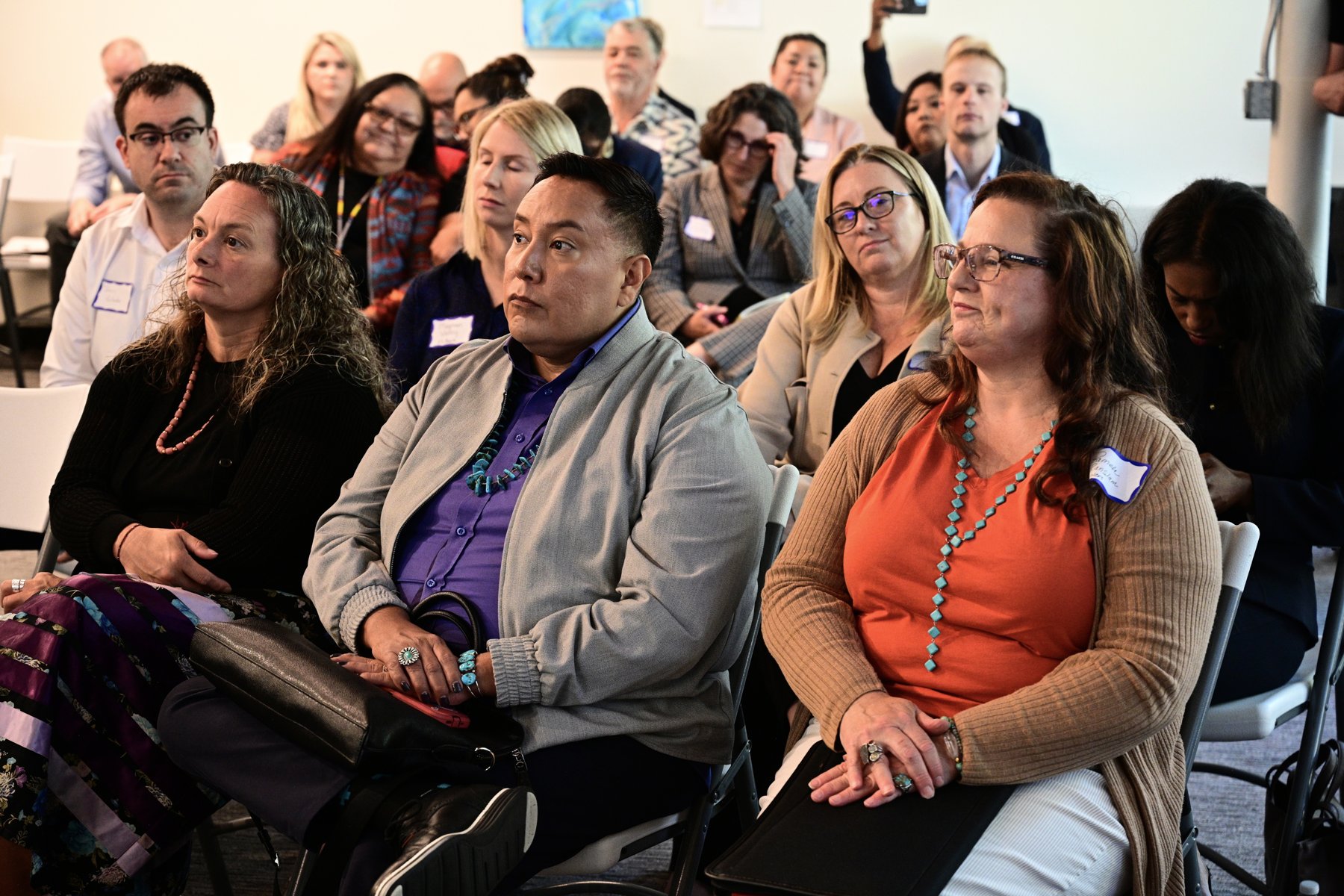
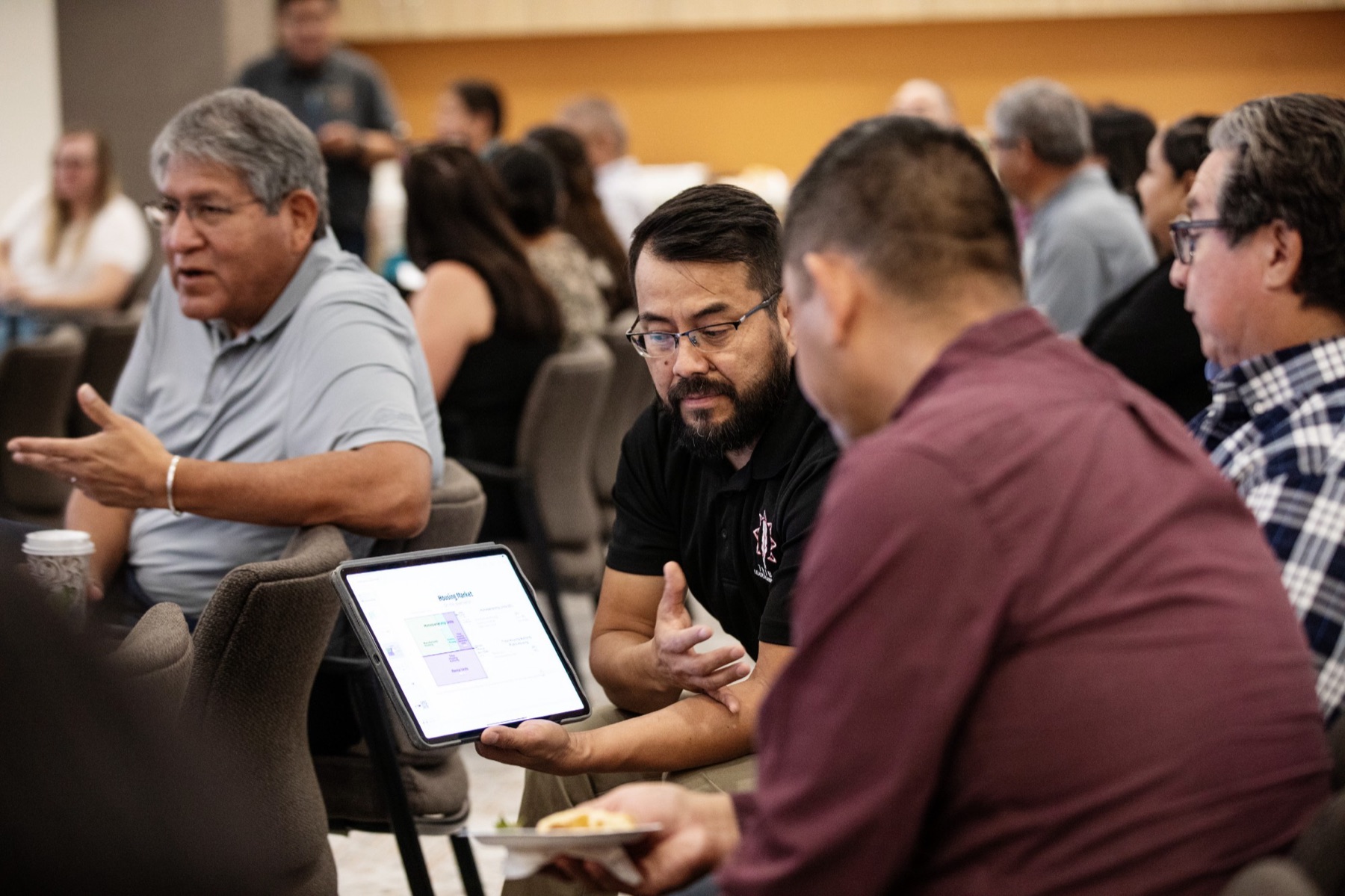
- Venue: Room for 30–60, A/V (projector, screen, mics), reliable Wi-Fi, accessible entrance and restrooms, adequate parking.
- Catering: Morning coffee/light snacks and a networking lunch. Prioritize Native-owned caterers.
- Materials: Printed agendas, name tags, a sign-in sheet, speaker bios, leave-behind fact sheets, and — for a listening-station format — flip charts or feedback cards.
- Signage & seating: Directional signage, a welcome/registration table, and seating arranged for discussion (rounds or a U-shape beat theater style).
- Accessibility & protocol: Confirm any Tribal protocols for the opening, acknowledge the land and host Tribe, and arrange interpretation if needed.
Sample budget (30–50 attendees)
| Item | Typical range | Notes |
|---|---|---|
| Venue | $0 – $1,500 | Often free via co-host or Tribal facility |
| Coffee & light snacks | $150 – $500 | Morning registration |
| Networking lunch | $600 – $2,000 | Frequently sponsored by a co-host |
| Printing & materials | $100 – $400 | Agendas, name tags, fact sheets |
| A/V (if not included) | $0 – $800 | Often provided by venue/co-host |
| Miscellaneous | $100 – $300 | Signage, supplies |
| Estimated total | $950 – $5,500 | Lower end when a co-host provides venue + lunch |
Invitations, Outreach & Templates
Copy, paste, and customize the templates below. Replace everything in [brackets].
Details you enter in the planner fill in here automatically.
Subject: Partnering on a Tribal Housing Solutions Roundtable in [Region]
Dear [Name],
The [Your Tribe / TDHE / Organization] is planning a half-day Tribal Housing Roundtable in [City, State] on or around [date]. The convening will bring together Tribal housing leaders, financing institutions, and government partners to explore Tribal housing challenges and Native-led solutions in our region.
Given [Organization’s] work on [affordable housing / community development / Tribal partnerships], we would be honored to have [Organization] serve as a potential co-host. Co-hosts typically help by [providing a venue / sponsoring the networking lunch / briefing attendees on available programs / helping convene partners].
Might we find 20 minutes to discuss? I’m happy to share our draft concept and agenda.
With appreciation,
[Your name, title, organization, phone, email]
Use this for your visual invitation (see design notes below) or a plain email.
You’re Invited!
[Day, Date] | [Start time] – [End time]
@ [Venue name], [Address]
Strengthening Partnerships in Tribal Housing: [Your roundtable title]
Join us for a roundtable with invited representatives from [host], Tribally Housing Programs, [FHLBank of ___], [state HFA], representatives from the region’s Tribes, and other selected partner organizations.
Discussion topics include: federal policy context (NAHASDA and the 21st Century ROAD to Housing Act); a Tribal housing best-practice spotlight; a partner resource snapshot; and interactive break out conversations on homeownership, rehabilitation/preservation, rental development, infrastructure/site readiness, and capacity/technical assistance.
Please arrive at [time] for registration, coffee, and light snacks. The session will conclude with a networking lunch at approximately [time].
Subject: Invitation to speak — Tribal Housing Roundtable, [date]
Dear [Name],
We’re convening a Tribal Housing Roundtable in [City] on [date] and would be honored to have you [give opening remarks / join our regional panel / present your project / brief attendees on [program]]. Your slot would run about [X] minutes at [time], before an audience of Tribal housing leaders, private / public / philanthropic partners.
Could you let us know by [date] if you’re able to join? I’ll follow up with logistics and a run-of-show.
Thank you,
[Your name / title]
Subject: Thank you — [Roundtable name]
Dear [Name],
Thank you for joining our Tribal Housing Roundtable. The conversation surfaced real priorities — [briefly name 1–2 themes or commitments] — and we’re grateful for your participation.
We’ll share a short recap and photos soon. In the meantime, please consider us a resource on Tribal housing in [region], and don’t hesitate to reach out on [specific follow-up].
With appreciation,
[Your name / title]
Invitation design notes
- Keep it to one page, visual, and scannable — date, time, place, and “why” up top.
- Co-brand: place your organization’s logo alongside the co-host’s logo at the bottom.
- Use a warm photo (Tribal housing, landscape) and your favorite color selection.
- Include a clear RSVP path (email, link, or QR code) and an RSVP-by date.
Before · During · After
Work through each phase and check items off as you go — or print this page and bring it with you.
Before the Roundtable
Concept & partnership (8–12 weeks out)
Program (6–8 weeks out)
Outreach (4–6 weeks out)
Logistics (2–4 weeks out)
During the Roundtable
After the Roundtable
Optional: Afternoon Site Visit or Tour
Nothing moves partners and potential funders like standing on the ground where the work happens. An optional afternoon tour of a Tribal housing project — a new development, a rehabilitation, an infrastructure or site-readiness project, or a homeownership program — turns the morning’s conversation into something people can see, photograph, and remember. It is one of the most effective (and low-cost) ways to build lasting support.
Why add a tour
- Makes Tribal housing needs and successes concrete for potential funders and partners.
- Gives Tribal housing professionals a chance to share their own stories on their own ground.
- Creates strong photo and social-media moments that extend the reach of your convening.
- Deepens relationships during informal travel and walk-through time.
Keep it optional and easy to join
Schedule the tour after the networking lunch and make clear on the invitation and agenda that it is optional. Some partners will need to leave after lunch; that is fine. Ask attendees to indicate at RSVP whether they plan to join so you can plan transportation and headcount.
Choosing the site
- Pick a project that tells a story — ideally one that illustrates a priority you raised in the morning (financing, rehab, infrastructure, homeownership, or innovative models).
- Prioritize proximity — a site within driving distance of the venue keeps the group together and respects everyone’s time.
- Show range if you can — a completed home plus a project underway lets partners see both impact and need.
- Confirm it photographs well and that any “ask” (a financing gap, an infrastructure need) is easy to point to on site.
Respect residents and Tribal protocol
A tour takes visitors into a living community. Center residents’ dignity and privacy at every step:
- Secure permission early from Tribal leadership, the TDHE, and any residents whose homes or neighborhoods will be visited.
- Brief participants beforehand on respectful conduct, any areas that are off-limits, and photography rules.
- Get photo consent — never photograph residents, homes, or interiors without explicit permission.
- Follow Tribal protocol for entering the community.
Logistics for the tour
| Item | What to plan |
|---|---|
| Transportation | Arrange a van, small bus, or a coordinated carpool caravan; share a clear meeting point and departure time |
| Guides | Assign a knowledgeable host — a TDHE director or project manager — to narrate |
| Route & timing | Keep to 1–2 stops; build in travel time |
| Safety & access | Confirm site safety (active construction?), accessibility, restrooms, water, and weather plan |
| Materials | Bring a one-page project fact sheet (cost, funding sources, units, timeline, and the specific ask) |
| Documentation | Designate a photographer; collect approved photos and quotes for follow-up and social media |
Make the ask on site
A tour is your best chance to connect a real place to a real need. As you walk the site, be ready to name the specific ask tied to it — a financing gap a potential partner could support. Send participants home with the fact sheet so the ask stays in front of them.
Policy Talking Points & NAIHC Support
Federal policy framing — quick reference
Use these as the backbone of your policy segment. Keep the framing accurate, current, and tailored to your region’s priorities.
- NAHASDA: The Native American Housing Assistance and Self-Determination Modernization Act (HR 8092 | S 5354) is vital for achieving progress for Tribal housing and is centered on Tribal self-determination. Note ongoing modernization efforts and why they matter locally.
- 21st Century ROAD to Housing Act: Signed into law in 2026. Walk through the provisions that matter locally and be candid about implementation questions and any gaps for Tribal communities.
- Local priorities: Ground the policy in your region — waiting lists, infrastructure and site-readiness gaps, financing barriers, and capacity/technical-assistance needs.
How NAIHC can help
You don’t have to do this alone. NAIHC can support member-hosted roundtables by:
- Lending national credibility and, where possible, participating in-person or virtually when feasible.
- Providing current federal policy briefings and talking points on NAHASDA and the 21st Century ROAD Act.
- Helping identify and connect with partners — FHLBanks, Federal Reserve community development teams, HFAs, and potential foundations.
- Sharing templates, past agendas, and lessons learned.
- Amplifying your convening and its outcomes through NAIHC’s channels.
Questions or ready to plan your roundtable? Contact NAIHC.
Contact NAIHC →